
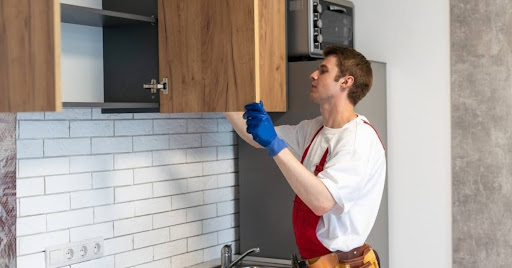
A remodel rarely starts with a grand vision. Usually, it’s something like a slightly off cabinet door. You close it, and it doesn’t sit right. You push it again. It clicks, but not fully. You walk away anyway because you’ve got other things to do.
That’s how most kitchen stories begin. Not with Pinterest boards. Just with tiny annoyances stacking up quietly until one day you realize you’re adjusting yourself around the kitchen instead of the kitchen working for you.
Kitchen remodeling services come in handy not for the aesthetics first, but just for relief. Sooner, you’ll realize you’re. That’s usually when people start looking into kitchen remodeling services. Not for luxury. Not even for aesthetics at first. Just for relief stepping into something bigger than you expected – emotional, practical, sometimes a little chaotic in between.
Let’s explore how kitchen remodels work.
Looking at Your Lifestyle: Importance of Attention to Details
A kitchen remodel isn’t about the kitchen.
It’s about how you live when no one is watching.
- The way you make tea when you’re half awake.
- The way you lean on the counter while scrolling your phone.
- The way two people somehow always bump into each other in the same corner.
These things don’t show up in design catalogs, but they decide whether your kitchen feels right or not.
So before anything else, before contractors, budgets, or tiles, there’s one thing that matters more than people expect.
You have to pay attention. Just notice yourself for a day or two. Where do you pause? Where do you get slightly irritated? Where do things slow you down?
Most people think their kitchen is too small. Half the time, it’s not. It’s just arranged in a way that doesn’t match how they move.
Calling in the Experts: The Contractors
Now, at some point, you’ll probably think, okay, I should talk to someone.
And that’s where things get real.
Because bringing in a kitchen remodeling contractor isn’t just about hiring skills. It’s about letting someone else step into your routine and question it a little. A good one doesn’t just measure walls. They watch how you describe your space.
If you say “The layout just doesn’t work,” and they’ll go, “What’s the one thing that always slows you down when you’re cooking?”
If you say, “I want a bigger island,” they might gently point out that it’ll block the one path you use ten times a day.
That back-and-forth matters more than the design itself.
Because design without honesty just creates a prettier version of the same problem.
Figuring Out Costs: The Budget
Knowing your budget helps you find the right kitchen remodeling service provider.
Assess Your Limits and Needs
Budgets get treated like limits. Like something that cuts your ideas down. But a good budget feels more like clarity.
It answers questions you didn’t know you had. Like, do you care more about how things look, or how long they last? Do you want the room to impress guests, or make your mornings easier?
There’s no right answer there, by the way. Just your answer.
Assess The Contractor’s Transparency
Something people learn a little late sometimes is that the expensive parts aren’t always the ones you see. Electrical fixes, plumbing adjustments, structural tweaks, those things sit behind the walls, eating into your budget if you don’t plan for them.
That’s why when you’re comparing kitchen remodeling companies, the smartest move isn’t chasing the lowest number. It’s listening to how they explain the invisible parts. Anyone can price cabinets and countertops. Not everyone will walk you through what happens when something unexpected shows up behind the wall.
And something always does.
Understanding the Final Design Aspect: The Dos and Donts
Design is where people get a bit carried away. In a good way, sometimes.
You start imagining things.
Soft lighting. Clean counters. Maybe open shelves because they look so effortless online. Maybe a deep sink because it feels satisfying somehow.
And none of that is wrong.
But here’s the catch.
Most design mistakes don’t come from bad taste. They come from borrowing someone else’s life. For example:
- Open shelves look beautiful until you realize you don’t want to clean them every few days.
- A massive sink sounds great until you notice you mostly use one small section of it.
- Statement lights feel dramatic until they hang right in your line of sight.
Real kitchens aren’t staged. They’re used.
So the question quietly shifts from what looks good to what I will still like six months from now when I’m tired and just trying to make dinner?
That question changes everything.
Contractors like Remodeling Homes New Jersey offer expert insight and show you ideas based on your inspiration. You will find real kitchens, real layouts and choices that made sense when you pictured someone actually living there. That kind of reference does more for you than a hundred polished inspiration photos. Because it brings you back to reality, in a good way.
Conclusion
If you take anything from this, let it be this: a good kitchen remodel doesn’t try to impress you; it understands you. It notices the small frustrations you stopped talking about. It fixes things you didn’t even know were fixable. And then it steps back quietly and lets you live your life without getting in the way. The goal is not just perfect but easy.
FAQs
- Do I really need to move out during a kitchen remodel?
Not always. A lot of people stay. It’s inconvenient, yes, but manageable if you set up a temporary routine. Just expect things to feel a little out of place for a while.
- How do I know if I’m overdesigning my kitchen?
If you’re making choices based on how something looks more than how you’ll use it daily, pause. That’s usually a sign. Kitchens don’t need to be impressive. They need to work.
- What’s one thing people regret not thinking about?
Lighting. Not just how it looks, but where it falls. Bad lighting doesn’t show up in photos, but you’ll feel it every single day.